
MagiLotl: Idle Wizard Tycoon
Unimob GamesSimulation
4.425.00 Reviews
- Version
- 1.0.6
- Installs
- 50.00K
- Age Rating
- Everyone
Screenshots


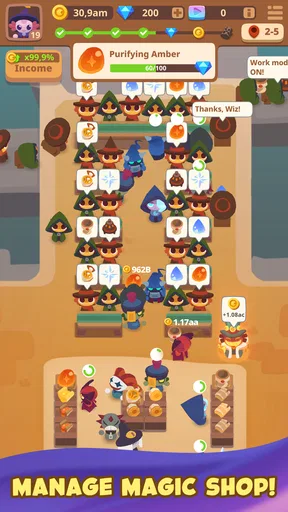
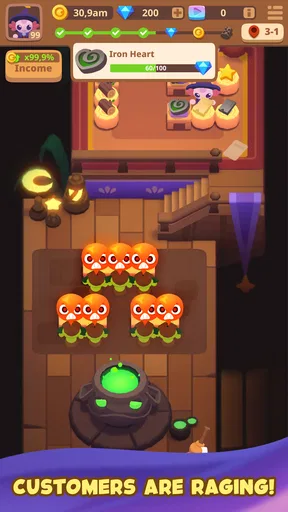



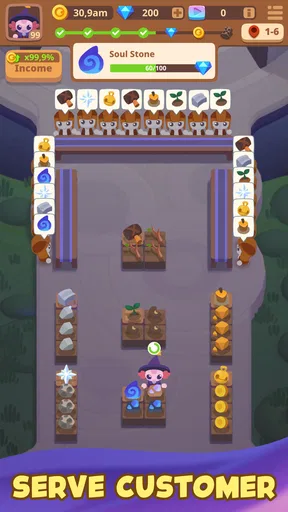
Our Review of MagiLotl: Idle Wizard Tycoon
 Analysis by Appyee
I spent time with MagiLotl: Idle Wizard Tycoon as a light simulation game built around three appealing ideas: managing a magic shop, customizing adorable axolotls, and testing your progress in player-versus-player battles. That combination gives it a more varied identity than a simple idle title. I can check in for a short session, make a few management decisions, adjust my little magical staff, and then switch to a more competitive activity when I want something that demands attention.
It is free to play, developed by Unimob Games, and aimed at Everyone. The game is available for devices running Android 7.0 or later, while optional purchases range from $0.99 to $99.99 per item. That pricing range is worth keeping in mind before starting, especially if you enjoy collecting or competitive progression. The game has reached over 50 thousand installs and holds a 4.4 average from around 320 ratings, which suggests a generally positive first impression without making it a guaranteed fit for every kind of player.
How the shop, axolotls, and arena shape your decisions
The most interesting part of the design is the contrast between the shop and the arena. A shop-management loop usually encourages patience: improve your operation, wait for returns, and reinvest those gains. A PvP arena asks for the opposite mindset. It pushes me to think about immediate strength, preparation, and whether a resource is better spent on long-term growth or on being more competitive right now.
That tension gives the game a useful decision space. I am not only asking, “What can I upgrade?” I am also asking, “What kind of player am I trying to become?” If I focus on the shop, I am building a steadier foundation. If I prioritize my axolotls and their presentation, I am investing in the collection and customization side. If I lean toward the arena, I am accepting a more demanding path where small choices can matter more than simply leaving the game running.
I found it helpful to treat the shop as the engine that supports everything else rather than as a background screen I should ignore. When I returned after a break, the first useful habit was to review what the shop had produced before spending anything. That simple pause prevented me from making impulsive choices based only on whatever upgrade looked most attractive at the moment.
The best early habit is to separate “progress that keeps paying back” from “progress that feels exciting immediately.” In a game with an idle foundation, the first category tends to matter more than it appears. A stronger long-term base can make later decisions easier, while a rushed competitive investment may feel rewarding only briefly if the rest of the operation cannot support it.
Planning a session instead of tapping without a purpose
My most comfortable routine was to give each visit a clear job. On a short visit, I would collect what was ready, check the shop, and leave rather than wandering through every menu. On a longer session, I would review the axolotls and think about whether I wanted to prepare for the arena. This made the idle structure feel less like a demand to stay constantly active.
That approach also clarifies who will enjoy the game. Players who like compact management sessions can use it as a quick daily check-in. Players who want more involvement can spend longer comparing their options and preparing for competition. The game works best when I decide which mode deserves my attention instead of expecting every part to be equally deep at all times.
The customization angle adds an important emotional layer. The axolotls are not presented as anonymous units in a spreadsheet; dressing them up gives the collection side a more personal feel. I enjoyed this most when I treated appearance as part of the fun rather than assuming every cosmetic choice had to improve performance. For some players, that distinction will be a strength. For others, it may make the game feel less focused than a pure strategy title.
Where the risk comes from in a free game
The main risk is not simply losing a battle. It is spending resources too quickly because the game makes several goals attractive at once. A shop can always look as though it needs another improvement, a cute axolotl can invite another customization choice, and the arena can create pressure to become stronger immediately. That is a familiar trap in hybrid simulation games: every direction feels urgent, even when only one direction actually supports the next stage of progress.
I recommend choosing a short planning horizon before making a purchase or upgrade. For example, I might decide that my next few sessions are about strengthening the shop, then reassess the arena. The point is not to follow a rigid build; it is to avoid scattering progress across too many priorities. This is especially important because the game includes in-app purchases, and a player who has not decided what matters to them can spend money without gaining a clear sense of improvement.
The free entry point is welcome, but I would approach the purchase system carefully. The presence of items priced from $0.99 to $99.99 means the game is not something I would hand to a child without discussing purchase controls first, even though its content rating is Everyone. The age rating describes the nature of the content, not how easily someone can make a purchase. For families, that practical distinction matters.
I also would not judge the game solely by how quickly the first session moves. Idle simulations often feel generous at the beginning because they want to show several parts of the loop. The more useful question is whether I still enjoy making choices after the novelty of the magic shop and axolotl collection settles down. If I need constant action, the waiting rhythm may feel slow. If I like checking progress and making small adjustments, it is easier to appreciate.
Using the arena without letting it dictate the whole game
The PvP element changes the value of preparation. In a purely idle game, an upgrade can be judged by how much it improves the next collection cycle. In an arena, the same investment may be judged by how it affects a contest against another player. That creates a trade-off between reliable economic growth and short-term competitive pressure.
I prefer to enter the arena with a specific reason rather than treating every match as a test of overall worth. A loss can reveal that my current setup is not ready, but it does not automatically mean that every shop decision was wrong. Conversely, a win does not prove that my long-term plan is efficient. Keeping those two judgments separate helps prevent the competitive mode from turning the whole experience into a constant chase.
One practical tactic is to make notes mentally about what changed between attempts. Did I improve the underlying operation, change the axolotls I was using, or simply spend more? Even without overanalyzing every result, this creates a basic feedback loop. I can then decide whether to adapt my plan or continue building patiently. That is more satisfying than repeatedly entering battles and hoping the outcome changes by itself.
The counterplay here is mostly about refusing to react too quickly. When a competitive result is disappointing, the tempting response is to chase the most visible solution. I found it more useful to return to the shop, check whether my broader progression was healthy, and only then decide whether the arena deserved additional attention. This keeps the game’s three themes connected without allowing one difficult moment to erase a longer plan.
Adapting to different kinds of players and play sessions
One reason the game can appeal to a broad audience is that it supports different levels of involvement. Someone playing between errands can collect progress and make one or two decisions. Someone with more time can explore the relationship between management, customization, and PvP preparation. That flexibility is valuable, but it also means the experience may feel uneven depending on what I expect from it.
If I approach it as a deep competitive simulator, I may find the cute presentation and idle pacing distracting. If I approach it as a relaxing shop game, the arena may feel like an extra layer I can visit when I want more intensity. I think the second approach is healthier. The game’s appeal comes from switching moods, not from making every mode compete for the same amount of attention.
A realistic everyday scenario would be a short evening break after work or school. I could open the game, collect the shop’s progress, dress an axolotl for a quick change of pace, and then decide whether I have enough focus for an arena match. If I am tired, I can leave after the management check. If I want something more active, the competitive option is there. That makes the game easier to fit into a routine than a title that expects one long uninterrupted session.
On the other hand, I would skip it if I dislike waiting-based progression altogether. I would also be cautious if my main goal is a highly transparent competitive game where every advantage can be traced to precise tactical decisions. The shop and customization elements make MagiLotl more approachable, but they also mean it is not designed around competitive purity.
What remains engaging after the first few sessions
The long-term question is whether the three loops continue to support one another. The shop gives the game its planning horizon. The axolotls give that progress a friendly, collectible face. The arena creates a reason to care about preparation beyond simply watching numbers rise. When those pieces work together, the game feels like more than an idle timer with decorations.
My advice is to judge depth by the quality of your decisions, not by how many menus you can open. If I am choosing when to reinvest, deciding which part of my collection deserves attention, and learning from competitive setbacks, I am getting meaningful value from the structure. If I am only collecting rewards and buying whatever is highlighted, the experience becomes much flatter.
That distinction also affects spending. I would play for a while before buying anything, then ask whether a purchase solves a problem I actually have. If I am enjoying the management loop but feel no interest in PvP, there is little reason to spend in pursuit of competitive strength. If customization is the main attraction, I would treat purchases as optional support for that hobby rather than as a requirement for enjoying the core game.
The current version is 1.0.6, so I would approach the game as a relatively early experience rather than assuming it already offers the same breadth as a long-established simulation. That does not make it a poor choice; it simply sets a sensible expectation. Players who enjoy discovering a compact game’s rhythm may be comfortable with that scope, while players looking for years of accumulated systems may prefer a more mature alternative.
How it compares with ordinary idle and simulation alternatives
Compared with a traditional idle tycoon, MagiLotl has a stronger character hook because the axolotls make the shop feel more memorable. A standard idle game may be better for someone who wants a clean, numbers-first progression path with minimal distraction. Here, the charm is part of the reason to return, and dressing the creatures can make routine progress feel more personal.
Compared with a pure creature-collection game, this title places more weight on operating a magical business. A collection-focused alternative may offer a clearer reason to gather and compare characters, while this game asks me to balance collecting with economic development and arena preparation. That hybrid structure is its advantage when I want variety, but it is also the reason I would not recommend it to someone who wants only one highly specialized loop.
Compared with a dedicated PvP game, the arena is not the entire identity of the experience. A competitive specialist will probably offer more concentrated match-to-match tension. MagiLotl is better suited to players who enjoy having a calmer management activity around their battles. I like that contrast, but I would not mistake it for a replacement for a serious arena-focused game.
My strategy verdict after living with the loop
I see MagiLotl: Idle Wizard Tycoon as a friendly simulation game for players who enjoy making modest decisions over time rather than chasing nonstop action. Its strongest idea is the way a magical shop, cute axolotls, and PvP give different reasons to return. The best experience comes from treating them as connected priorities: build a stable base, customize because it is enjoyable, and enter the arena with a plan rather than panic.
I would recommend starting slowly, learning which activities you genuinely enjoy, and delaying optional spending until your routine feels settled. Keep the shop as your foundation, use customization as a source of personality, and let arena results inform your choices instead of controlling them. That approach makes the game less stressful and gives each decision a clearer purpose.
There are limits. The idle rhythm will not satisfy players who need constant interaction, and the hybrid design may feel less precise than a dedicated tycoon or PvP game. The broad purchase range also means families and younger players should use sensible purchase protections. Still, for someone who wants a free, approachable simulation with a charming collection layer and a competitive outlet, I think it is worth trying. I would especially suggest it to players who like checking in regularly, planning a few steps ahead, and watching a small magical business gradually become their own.
Verdict
Strengths of MagiLotl: Idle Wizard Tycoon
- Relaxing idle gameplay that progresses even during short breaks.
- Simple controls make it easy to start without a long tutorial.
- Frequent unlocks keep the early game feeling rewarding.
- Cute wizard and axolotl theme gives the game plenty of charm.
- Runs smoothly on most modern phones with modest hardware demands.
Limitations of MagiLotl: Idle Wizard Tycoon
- Progress can feel slow once the initial upgrades are completed.
- Repeated tapping and upgrading may become monotonous over time.
- Some rewards and features may encourage frequent ad viewing.
- Limited strategic depth may disappoint experienced tycoon players.
- Offline earnings usually require returning regularly to collect them.
Similar Picks in This Category
View All
Truckers of Europe 3
Wanda Software4.3

Town Building Life Simulator
XGame Global4.2

Fidget Toys Trading・Pop It 3D
Freeplay Inc4.7

Sculpt People
CrazyLabs LTD4.4

Scary Teacher 3D
Z & K Games4.2

Hair Tattoo: Barber Shop Game
CASUAL AZUR GAMES4.3
Frequently Asked Questions
What is MagiLotl: Idle Wizard Tycoon?
MagiLotl: Idle Wizard Tycoon is an idle management game centered on building and expanding a magical business. You develop facilities, unlock wizard-related upgrades, collect resources, and improve production while the game continues generating progress in the background. Its relaxed pace makes it suitable for players who enjoy incremental growth, light strategy, and fantasy themes without needing to remain constantly active.
How does the idle progression system work?
The game is designed so your magical operations can continue producing rewards even when you are not actively playing. After returning, you can collect accumulated resources, reinvest them into buildings or upgrades, and improve your overall income. Active play is still useful for completing objectives and making decisions, but the idle system helps maintain progress during short sessions or longer breaks.
Is MagiLotl: Idle Wizard Tycoon free to download and play?
MagiLotl: Idle Wizard Tycoon can generally be downloaded without an upfront purchase, although the exact availability and pricing may depend on whether you use Android or iOS. Like many free-to-play idle games, it may offer optional in-app purchases, such as resource bundles, boosts, or convenience items. These purchases are not necessarily required, but players should review the store listing and payment settings before playing.
Does the game require an internet connection?
An internet connection may be useful or necessary for certain features, including advertising rewards, cloud-related services, events, updates, and purchase verification. Basic idle gameplay may work in some situations without a constant connection, but offline behavior can vary by device version and game update. If you plan to play while traveling, test the game offline first rather than assuming every feature will remain available.
Is MagiLotl: Idle Wizard Tycoon suitable for children and casual players?
The game is approachable for casual players because its main systems focus on tapping, upgrading, collecting income, and making straightforward management decisions. However, parents should check the current age rating, advertising content, privacy information, and in-app purchase options before allowing children to play. The fantasy presentation is generally accessible, but store ratings and monetization details can change after updates.
Play our best games!


